
Are you eligible for a First Dealings Exemption?
In Ontario, dealing with a deceased person's estate often involves paying Estate Administration Tax-also known as probate fees - before any real property can be sold or transferred. This tax is approximately 1.5% of the estate's value, which can be significant, especially for larger estates with real estate involved.
There is, however, a lesser-known option that can offer relief: the First Dealings Exemption.
This exemption allows certain real estate properties to bypass the probate process, potentially saving thousands in Estate Administration Tax.
The First Dealings Exemption isn't applicable to all properties and requires specific conditions to be met. Our following discussion will explore what this exemption is, its eligibility criteria, and its impact on estate planning in Ontario.
What is the First Dealings Exemption?
The First Dealings Exemption allows a property to be sold without the need to pay probate tax, as long as the sale is the first "dealing" since the property or ownership was converted to the Land Titles System.
In other words, the exemption works for properties that have not changed hands or undergone significant legal alterations since converting from the old land registry system to the modern, electronic Land Titles System.
The idea behind the exemption is that properties that haven't had any major dealings or changes in ownership since the government's new Land Titles System may benefit from avoiding Estate Administration Tax.
Why does this matter? For qualifying properties, this exemption can mean avoiding the significant costs and time associated with probate. This is especially beneficial in situations where real estate is the major component of an estate.
It's important to note, however, that this exemption is not a one-size-fits-all solution. It applies to certain assets under specific circumstances, which we will discuss in greater detail below.
Eligibility Requirements
To determine if a property is eligible for the First Dealings Exemption, the following criteria must be met:
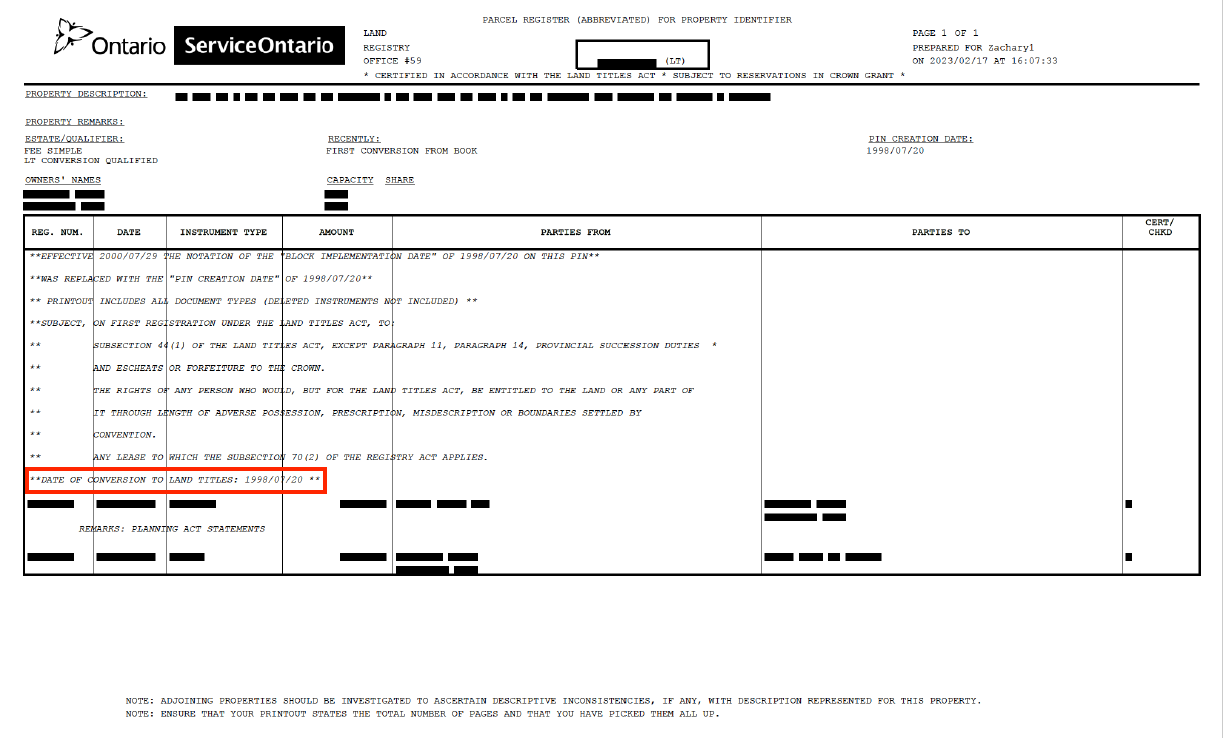
- Estate/Qualifier: The property must have the qualifier "Land Titles Conversion Qualified" (LTCQ).This distinction is listed on the property's Parcel Register under "Estate/Qualifier" and it means that the title was originally registered under the previous Land Registry System and then converted to the modern Land Titles System. This conversion would have likely taken place between the 1980s and early 2000s.
- No Previous Dealings: The property must not have undergone any "dealings" since its conversion to the Land Titles System.In other words, since the date of conversion (found on the Parcel Register) there must not have been any significant legal changes or transactions that occurred on the property. It must be the first time the property is being dealt with since conversion. To find the exact date of a property's conversion to land titles, you need to review the parcel register or deed.
- Valid Will: The deceased owner must have a valid will and the property in question must be part of this will.The executor must be in possession of a valid will to bypass the need for probate. The Will that controls the distribution of the real estate also must not be probated because the rules of Estate Administration Tax would include the value of the real estate back into tax calculation.
Are you eligible for a First Dealings Exemption?
Additional Information
Conversion Date to Land Titles System
To find the exact date that a property was converted to the Land Titles system, you must look to the parcel register. There is a section that includes the date that the conversion took place - if it in fact was converted). Here's an example of where you might find the conversion date:
Definition of "First Dealing"
Once you have determined the conversion date, the next question is whether the upcoming sale is considered to be a "first dealing"? In other words, we have to ensure there were no other "dealings" since the conversion date.
So what is a "dealing"? Well, in the words of the Director of Titles: “there is no public definition of what exactly constitute[s] a ‘first dealing’".
I know, not very helpful... but here's what we do know:
- A Sale is considered a dealing.
- A Mortgage is not considered a dealing.
- Certain Transfers (such as to sever a joint tenancy into tenants-in-common, or to convey a property between spouses as a result of divorce) are not considered a dealing.
- A Discharge is not considered a dealing.
And if there is a situation where it is unclear whether the instrument on title is a "dealing", you can have your real estate lawyer confirm with the land registry office as to whether in fact the sale/transfer will be considered the "first dealing" since the conversion date.
Joint Tenants and the First Dealings Exemption
In situations where the deceased and another individual owned a property as joint tenants, the First Dealings Exemption can still be applied.
The survivorship rights inherent in joint tenancy mean that the property automatically passes to the surviving joint tenant without needing probate - this is completed through the registration of a survivorship application.
This process or transfer does not affect the First Dealings Exemption. As a result, when the surviving joint tenant eventually dies, the entire property, which they then own completely, may still benefit from the First Dealings Exemption following the registration of a survivorship application.
Obtaining a Parcel Register
The parcel register is a necessary document for determining if a property is eligible for the First Dealings Exemption. Here's how to obtain it:
- Contact a Real Estate Lawyer: A reliable and straightforward way to get a parcel register is through a real estate lawyer. Lawyers have direct access to the necessary databases and can obtain this document quickly. They can also interpret the information accurately, which is crucial for assessing eligibility for the First Dealings Exemption.
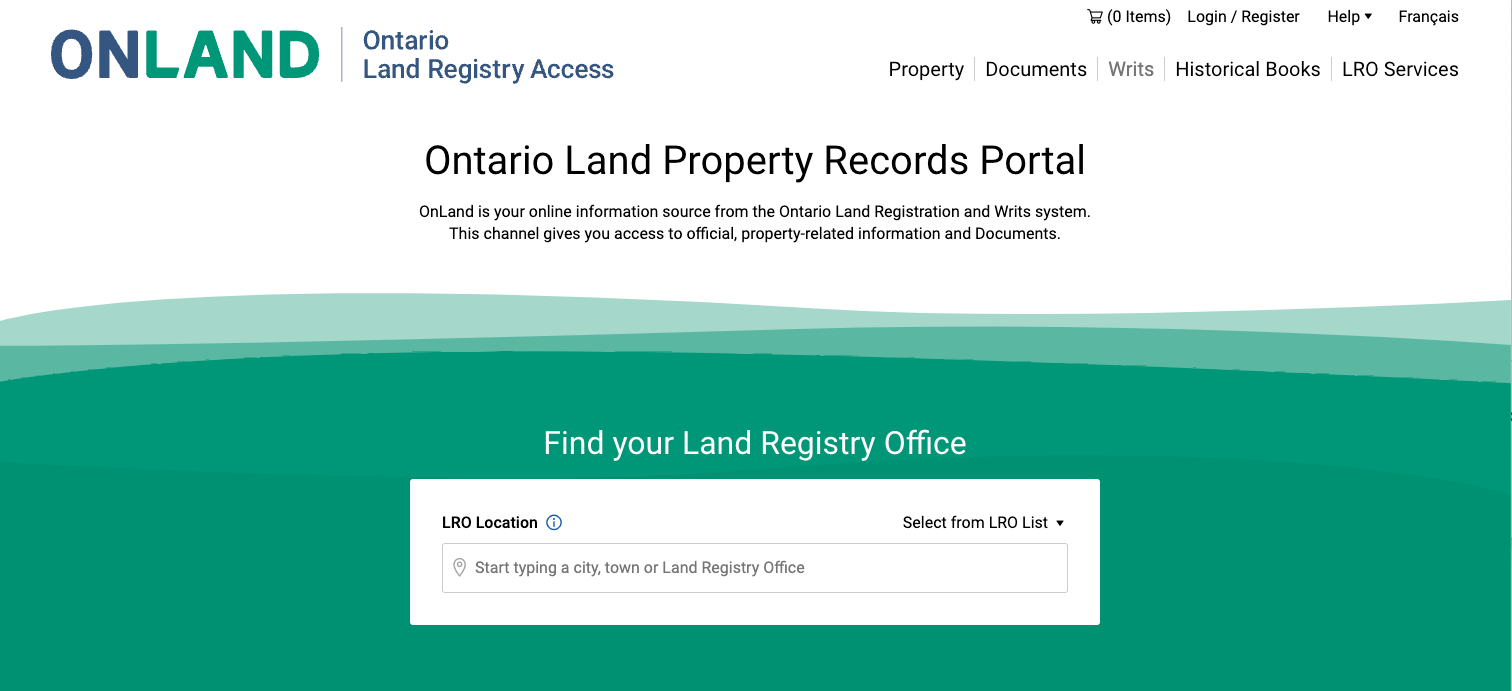
- Using ONLAND: If you prefer to obtain the parcel register yourself, you can use ONLAND, Ontario's land registration information portal.
In ONLAND, search for your property by address or by using the legal description of the property. This might include lot numbers, plan numbers, or concession numbers.
Once you find your property, you can access the parcel register. This document will show the history of the property, including its conversion from the Land Registry to the Land Titles System and any dealings or transactions since that conversion.
Even if you obtain the parcel register yourself, it’s helpful to have it reviewed by a real estate lawyer. They can confirm whether the property qualifies for the First Dealings Exemption and guide you through any next steps.
Are you eligible for a First Dealings Exemption?
Summary
The First Dealings Exemption in Ontario can help property owners skip Estate Administration Tax and save on probate fees. Key points to remember:
- The exemption applies to properties that moved from the old Land Registry to the modern Land Titles System without any "dealings" since then.
- To qualify, a valid will is needed, and the deceased must have been the property's registered owner at their death.
- To determine if a property is eligible, a recent parcel register or deed will need to be obtained and reviewed.
Remember, the First Dealings Exemption isn't for every property. It's best to consult a real estate lawyer to see if your property qualifies.
Contact Us
If you have questions about First Dealings Exemptions or any other real estate legal matter, we're here to help. As real estate law specialists, our mission is to provide the clarity and direction you need to protect your property rights.
Contact us today to schedule a free consultation.
Frequently Asked Questions (FAQ)
Can you sell a house in Ontario without probate?
Yes, you can sell a house in Ontario without probate if the property qualifies for the First Dealings Exemption or if ownership is transferred through survivorship in a joint tenancy.
How much are probate fees in Ontario?
Probate fees in Ontario are approximately 1.5% of the estate's value, with the first $50,000 exempt from this tax.
Can I Obtain My Own Parcel Register?
Yes, you can obtain your own parcel register in Ontario using the ONLAND service, though having it reviewed by a real estate lawyer is advisable for accuracy.